
Why Fund Management Matters Even When Spending Is Flexible

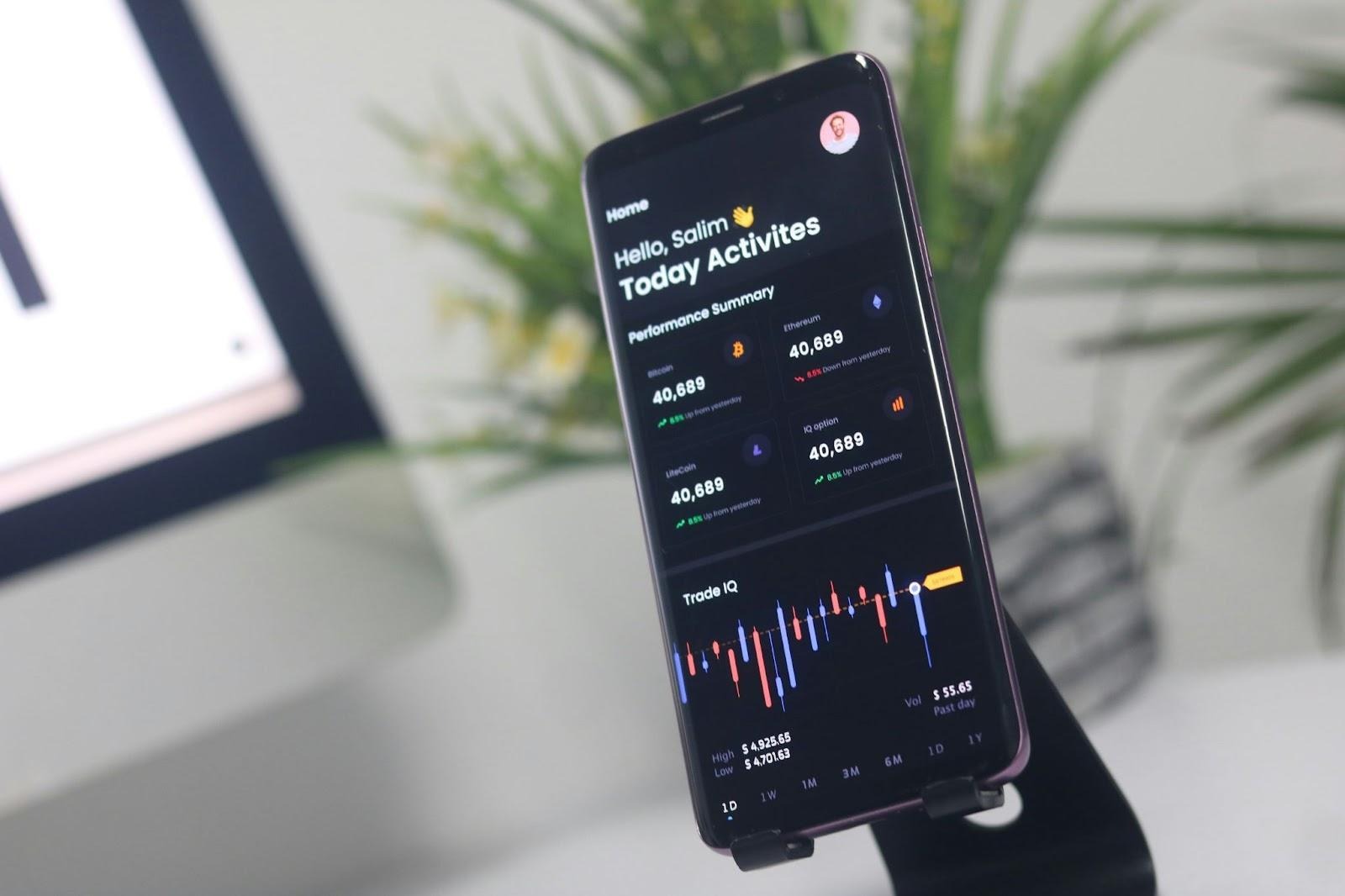
What is your number one job as a trader? Making a profit? Not exactly. Your number one job as a trader is to protect your investment. The reason is simple. The quicker your funds deplete, the less able you are to make a profit. Some would even say that the major difference between an amateur trader and a seasoned trader is that a seasoned trader understands that fund management is the key to success in trading, even when spending is flexible. Let’s explore the relevance of fund management in trading and some strategies to implement.
What is Fund Management?
Fund management in trading means careful planning and control of capital to maximize returns while minimizing losses. It does not mean losses will not occur. By implementing proper fund management, you can control how much you risk.
Fund management is not an alien concept, and it is not strictly limited to trading and traders. If you have ever been on an allowance and tried to spread it out to last as many days as possible, that’s fund management.
Why Fund Management Matters
Fund management is important not only when money is tight but also when you have the freedom to spend more. Building financial discipline in times of flexibility is essential, as it helps you maintain control and make smarter choices.
Capital Preservation
The main goal of fund management is to protect the trading capital. Most trading strategies are designed to help traders extend their wallets and give them as many opportunities as possible to stay in the market. It can include simple things like choice of deposit and withdrawal method, which offer more value, similar to the way a gamer would use power-ups to get situational advantage, or an online casino player reviews credit card casinos benefits in order to turbo charge their experience with quicker, safer deposits and withdrawals while enjoying bonuses. The same way these bonuses ensure the player’s stake is preserved is how proper fund management ensures traders do not suffer large losses. Good fund management allows you to stay in the market long enough to experience the reward of compounding.
To Minimize Risk
Of course, it is impossible to completely remove risk in trading, but proper fund management makes it much easier to manage, and it starts with risk assessment. The right money management strategy involves calculating the risks of every trade and employing appropriate risk management tools. It is with proper fund management that diversification is also employed to spread the risk and protect overall portfolio health. This is especially helpful for a large account with flexible spending, where there is a higher temptation to take bigger unassessed risks.
For Strategic Decision-Making
Emotions can influence even the most seasoned trader. And what better way to fuel these emotions than flexible spending? However, a pre-defined set of fund management rules provides a framework that helps override these psychological biases and promotes rational, data-driven decisions. Money management helps build a clear roadmap that can include entry/exit signals, risk-reward ratios, and profit targets. This structure removes the temptation to make impulsive decisions simply because the funding is available.
Focus on Long-Term Victory
Fund management has undoubtedly become one of the established principles for successful trading. Regardless of whether you have a large or small account, it helps you focus on the long game. This way, you don’t obsess over the outcome of single trades. It builds the discipline and laid-down structure required to succeed in the long term.
Why Fund Management Might Be Difficult
The biggest reason is the lure of the big one. Every trader thinks of this, especially in the beginning. The lure of the big one is the dream of a lucky trade that can give you bumper returns on your investment, especially considering the stories of traders who have actually hit the big one. However, the fact remains that this dream is equivalent to playing the lottery and hoping to win. For the majority, you are better off understanding the importance of fund management to enable you to track and plan fund flow properly. The aim is to prevent waste and maximize efficiency.
How to Build a Fund Management Strategy
First, consider your risk tolerance, trading goals, and account size. With these in mind, there are three overall steps.
The first step is to set your maximum account risk limit PER TRADE. Most professional traders do 1 to 3% of their available spending. For example, for a $2000 trading account, 1% per trade is $20, while 3% is $60. While prediction is impossible and other trade variables may change, this rule keeps your account’s risk constant. Simply choose how much you’re willing to risk on every trade and stick to it. A common mistake is moving from high to low without a fixed risk threshold. So, don’t risk 5% on one trade, 1% on the next, and then 3% on another. Choose one only.
The second step is to determine where you place your stop-loss order. This will be different for every trade. Setting a stop-loss order is about finding the right balance between limiting potential losses and allowing your trade enough room to move. It should be placed close enough to your entry point so that if it’s triggered, your loss stays within your earlier assigned value. But also not so close that normal market fluctuations close your position too early. It should only activate when the price moves significantly enough to show your trade idea was wrong. Traders often use tools like Average True Range (ATR) or analyze average candle sizes to gauge normal price movement, adjusting the stop-loss distance based on market volatility and time frame.
The third and final step is to determine the lot or position size. Position size refers to the amount of an asset or security a trader buys or sells in a single trade. It’s a vital part of risk management because it determines how much of your capital is exposed to market movements and directly affects both the potential profit and loss. It is calculated according to your risk tolerance. By doing this, traders can keep losses within acceptable limits while aiming for steady returns.
Position size can follow a simple mathematical formula:
Pips/Points at Risk X Pip/Point Value X Lots traded = $ at Risk.