

Multi-Timeframe Analysis (Trading Strategy And Backtest)

There are different ways to skin a cat, they say; but in trading, especially short-term trading, a Multi-Timeframe Analysis trading strategy might stand a shoulder above all. This method is widely used in financial markets to identify market trends and forecast future price movements by examining price action across various chart durations. What is the multiple timeframe strategy?
The multiple timeframe strategy is a method of trading that involves analyzing the asset’s price chart in different timeframes to spot the best time to take a position in the asset and when to close the trade. It implies combining different timeframes in your analysis of an asset before you make a trading decision. Selecting logical timeframe combinations, such as using a 1:4 or 1:6 ratio between timeframes, ensures that traders see meaningful differences in price action and avoid mismatched data periods.
In this post, we take a look at the multiple timeframe strategy. Trading over multiple time frames can introduce risks involved, such as increased complexity, conflicting signals, and the potential for overtrading. We end the article with a backtest.
What is a multiple-timeframe strategy?
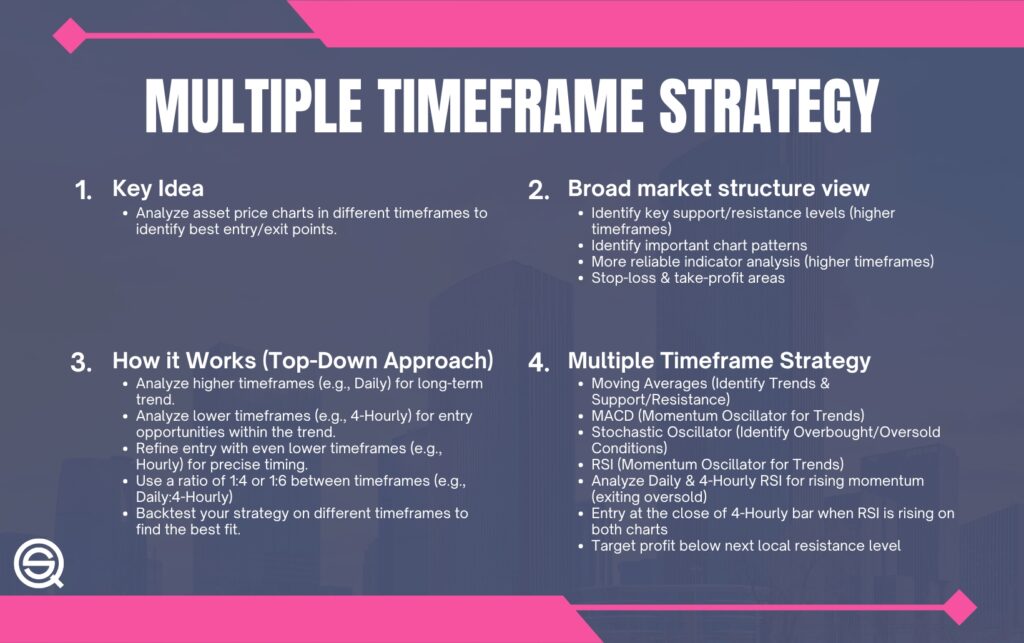
The multiple timeframe strategy is a method of trading that involves analyzing the asset’s price chart in different timeframes to spot the best time to take a position in the asset and when to close the trade. It implies combining different timeframes in your analysis of an asset before you make a trading decision. This approach is known as multiple time frame analysis and helps traders identify trends, confirm signals, and improve trading accuracy by aligning broader and finer market perspectives.
Here, timeframes refer to the various standard periods used in charting platforms to represent trading sessions. For most charting platforms, the standard timeframes range from 1-minute to 1-month timeframes, with the common ones being 1-minute, 5-minute, 15-minute, 30-minute, 1-hour, 4-hour, 1-day, 1-week, and 1-month timeframes.
Some charting platforms (TradingView, for example) also have other timeframes, such as the 3-minute, 45-minute, and 3-hour timeframes, as well as the tick chart.
Multiple timeframe analysis follows a top-down approach where traders use the higher timeframes to gauge the longer-term trend before using the smaller timeframes to spot ideal entries into the market. It is crucial to align trades with the higher timeframe direction, using lower timeframes solely for entry and exit points, so that lower timeframes support rather than contradict the overall trend. This method of analysis is especially important to short-term traders, such as scalpers, day traders, and swing traders, but can also be useful to long-term and position traders.
While there are more than 9 timeframes to analyze an asset on, traders often choose three or four appropriate timeframes for their analysis. The rule of thumb when selecting the timeframes for analysis is to use a ratio of 1:4 or 1:6 when switching between time frames. It is important to perform this analysis on the same asset across different timeframes to gain a comprehensive and layered understanding of its market behavior.
So, a swing trader who wishes to conduct their analysis on three timeframes can choose the daily, 4-hourly, and hourly timeframes for their analysis. In this case, if the usual trading timeframe is the 4-hourly chart, the trader can use the daily chart to get a broad view of the market structure; step down to the 4-hour timeframe to spot trading opportunities, and step down to the hourly timeframe to know the right time to enter a position.
Similarly, a day trader can study the day’s trend on an hourly chart, and step down to the 15-minute chart (1:4) for suitable entries. In this case, the 15-minute chart indicates shorter-term developments, while the hourly chart is where the trade’s progress can be monitored going forward.
However, using too many timeframes in your analysis can lead to analysis paralysis and conflicting signals, making it harder to make effective trading decisions. It is generally recommended not to use more than three timeframes to avoid confusion.
By and large, the idea of multiple timeframe analysis is relatively simple — analyze the charts in various timeframes to pick the best trading opportunities with high odds of success. When multiple timeframes align, trades feel less random and increase conviction without increasing risk. Most day traders start by looking at the daily timeframe to get the long-term trend, and then look at the four-hour chart, down to hourly, and 5-minute chart. Using multiple time frames can lead to better-informed trading decisions, potentially resulting in higher profitability and reduced risk.
The rationale for multiple time frame analysis in determining market direction
For many short-term traders, such as scalpers, swing traders, and day traders, multiple timeframe analysis is the real deal, and there are many reasons for that. These are some of them:
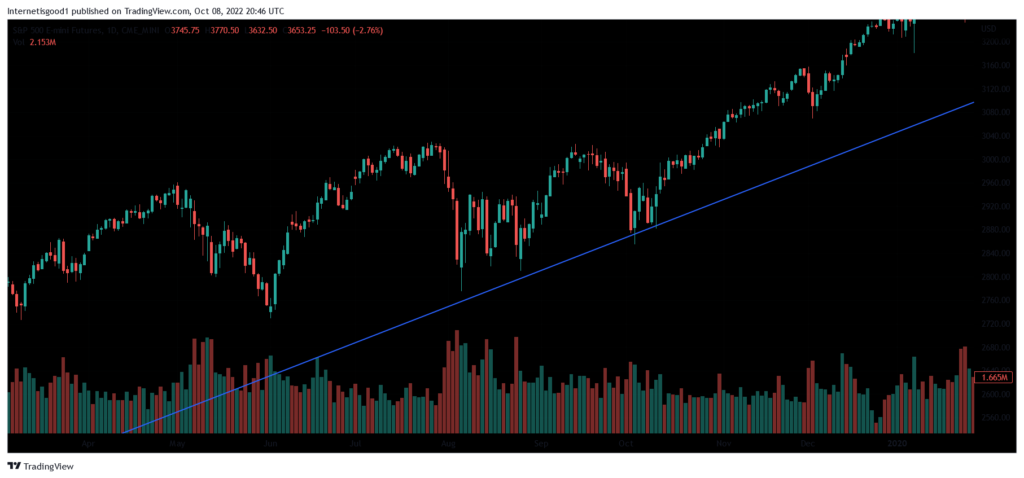
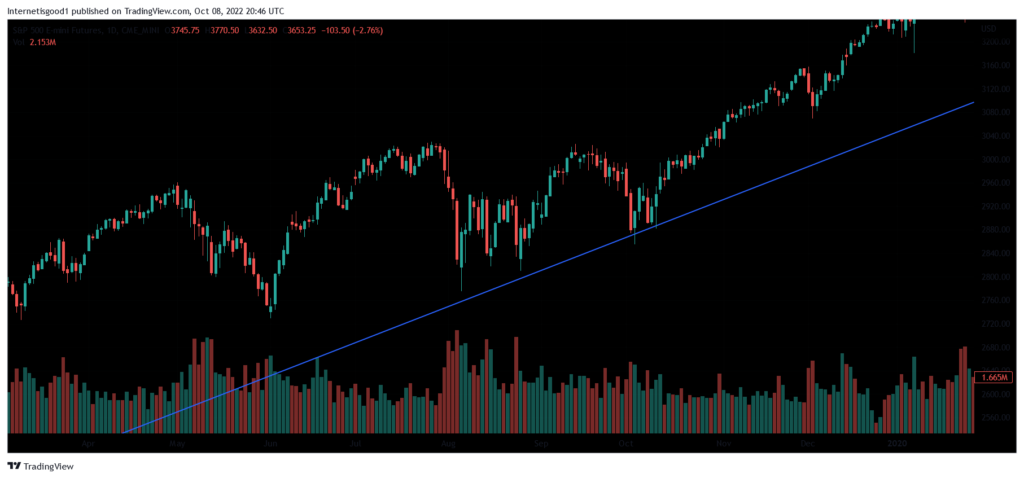
- Multiple timeframe analyses can give them a broad view of the market structure and help them identify the prevailing trend, the larger trend, and the overall market direction by using higher timeframes such as weekly charts. The daily chart below shows an uptrend, but in a lower timeframe, the market corrections look like downtrends on their own. See the H-4 chart below it.
- They are able to identify key levels of support and resistance at the higher timeframes, which are more likely to hold than the support and resistance levels in lower timeframes.
- Multiple timeframe analysis can help them identify important chart patterns, especially reversal chart patterns that can drive the price in the opposite direction of the trend. Multi-timeframe analysis also helps filter out market noise, ensuring that only significant market signals are considered.
- Indicator analyses on larger timeframes are more reliable than on lower timeframes. For example, the chart’s moving average might be sloping upward on a daily timeframe, indicating an uptrend, while on an hourly chart, the moving average may be moving downward, indicating a downtrend. The same can happen with the average directional index: it might be at 37 in the daily chart and 18 in the one-hour chart. Moving averages and other technical indicators are essential tools for identifying trend direction across multiple timeframes.
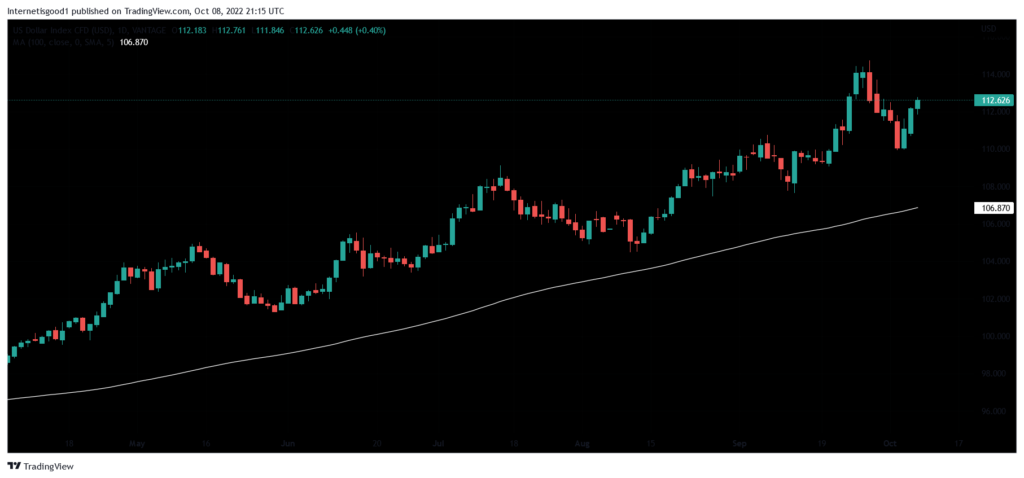
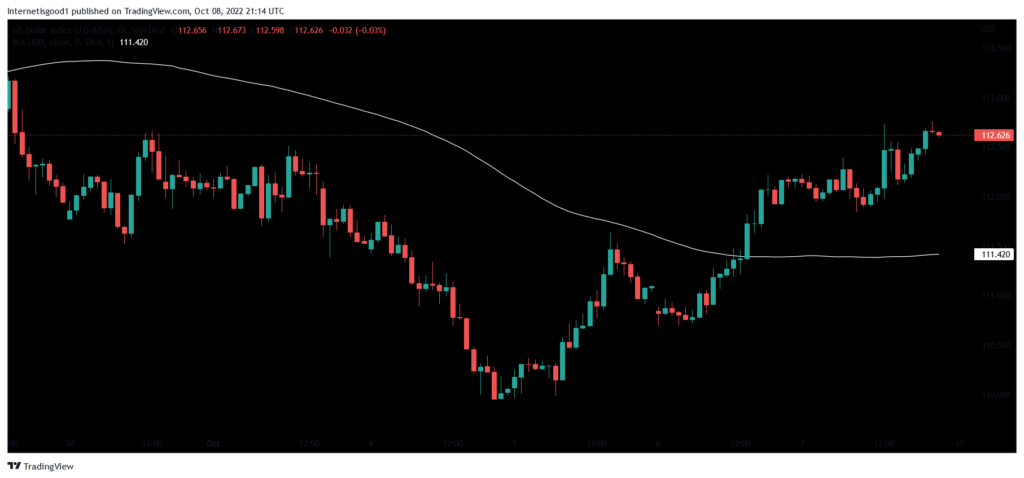
- This type of analysis can also help traders identify areas of putting stop-loss and take-profit. By analyzing medium term trends and medium term corrections, traders can refine their entries and manage risk more effectively. Higher timeframe analysis identifies the primary trend, while medium and lower timeframes help assess market structures and precise entries. Traders should use longer time frames to define the primary trend, then analyze intermediate and short-term trends for precise entries.
What is a timeframe?
In financial trading, a timeframe refers to a standard period used in charting platforms to represent a trading session. So, a 1-hour timeframe represents an hour trading session. That is, one full hour of trading activity. In the same way, a price bar in the daily timeframe represents a day’s trading session, while a monthly price bar represents a month’s trading session.
Trading timeframes, therefore, refer to standard periods during which trading activities are recorded on the price chart. The price movement during each period is recorded as a price bar (in the case of a bar chart) or a candlestick (in the case of a candlestick chart). In a line chart, only one data point, usually the close price of the period, is documented.
For most charting platforms, the standard timeframes range from one minute to one month, with the common ones being 1-minute, 5-minute, 15-minute, 30-minute, 1-hour, 4-hour, 1-day, 1-week, and 1-month timeframes. Some charting platforms (TradingView, for example) also have other timeframes, such as the 3-minute, 45-minute, and 3-hour timeframes, as well as the tick chart. Selecting appropriate timeframe combinations is crucial for meaningful analysis, as mismatched periods can lead to misleading conclusions about market movements.
The weekly and monthly timeframes are usually considered long-term timeframes, while the intraday timeframes, such as the hourly, 30-minute, 15-minute, 5-minute, and 1-minute timeframes are considered short term. The daily timeframe is the most commonly used.
Short term charts are particularly useful for analyzing short term market movements and short term volatility, helping traders refine their entry and exit points and manage emotional reactions to rapid price changes. For example, traders often use a 1-hour chart to identify the trend, a 15-minute chart for additional context, and a 5-minute chart to pinpoint precise entries, allowing them to align their trades with both short term and broader market movements.
Effective implementation of a multi timeframe trading strategy is typically achieved through a top-down approach, starting from broader charts and moving to more detailed ones to identify trading opportunities.
What timeframe is best?
There is nothing like the best timeframe for trading because different markets behave differently, and traders use different strategies. The best timeframe depends on the trading style, the trader’s strategy, and the asset being traded.
One timeframe may be good for one market but not good for another. For example, stocks may work great on the daily timeframe, while commodities may not work that great on the daily timeframe. It is left for the trader to find out the best timeframe for any given asset he wants to trade, and the only way to find out is by backtesting.
- What Is The Best Time Frame For Candlesticks?
- Which Time Frame Is Best In Trading? [Day trading, Swing Trading & Trend Trading]
- Which Timeframe is Best for Day Trading?
Another factor that determines the timeframe a trader chooses is the trader’s trading style. By trading style, we mean scalping, day trading, swing trading, or position trading. A scalper would usually have to use intraday timeframes for analysis. Most times, they use 15-minute to 1-minute timeframes or even lower timeframes. It is highly uncommon for a scalper to trade on the daily timeframe.
As with scalpers, day traders normally trade on intraday timeframes but often on higher timeframes than the ones scalpers use. Day trading is mostly done on the hourly to 5-minute timeframes. Similarly, swing traders have their own preferred timeframes, and they are mostly the daily and 4-hourly timeframes. Position traders, on the other hand, prefer the daily timeframe but may also use the weekly timeframe.
Finally, a trader’s specific trading strategy or system may make money on one timeframe and fail to make money on another timeframe. It is the responsibility of the trader to backtest their strategy on different timeframes to find out which timeframe works best. So, the only way to find out the best timeframe for your strategy is by backtesting it.
Multiple timeframe strategy indicators
Apparently, you can use any technical indicators for a multi timeframe trading strategy. What matters is being consistent with the parameters and the settings. Moving averages, in particular, are widely used in multi-timeframe analysis to identify trends, align signals, and confirm trend directions across short, medium, and long-term charts.
For example, if you are using a 100-period simple moving average to find the long-term trend on the daily timeframe, it makes sense to also use the same 100-period SMA to find short-term trends on the hourly timeframe if you are using both timeframes for your analysis and plan to trade when both the long-term and short-term trends are in sync.
Having said that, these are some of the common indicators for technical analysis which you can use to implement a multiple timeframe strategy:
- Moving averagestrategies: A moving average is mostly used by market analysts to determine the direction of a trend, as well as dynamic support and resistance levels by evaluating the movements of an asset’s price. The indicator sums up the data points of an asset over a specified period and divides the total by the number of data points to arrive at an average. This average is continually recalculated based on the latest price data, which is why it is called a moving average. Traders can use the indicator for a multiple-timeframe strategy by trading when the indicator is in the same direction on different timeframes.
- MACDtrading strategy: The moving average convergence/divergence indicator is a momentum oscillator primarily used to trade trends. It appears on the chart as two lines that oscillate without boundaries, and the crossover of the two lines gives trading signals. When the MACD line crosses from below to above the signal line, the indicator is considered bullish. The further below the zero line the stronger the signal. Conversely, when the MACD line crosses from above to below the signal line, the indicator is considered bearish. The further above the zero line the stronger the signal. Traders can use it on multiple timeframes to find high-probability trade setups.
- Stochastic trading strategy: The stochastic is an oscillator that compares the most recent closing price of a security to the highest and lowest prices during a specified period to indicate the security’s momentum. Its readings oscillate between zero and 100. A market’s overbought condition is indicated when the stochastic reading is above 80, while readings below 20 indicate oversold conditions. A sell signal is generated when the oscillator reading goes above the 80 level and then returns to readings below 80. Conversely, a buy signal is indicated when the oscillator moves below 20 and then back above 20. By analyzing the indicator on different timeframes, traders can identify when the longer-term and shorter-term momentum are in sync, which could provide high-probability trading opportunities.
- RSI trading strategy: The relative strength index is a momentum oscillator that measures the speed and change of price movements. It oscillates between zero and 100, and traditionally, levels above 70 are considered overbought, while levels below 30 are considered oversold. RSI can also be used to identify the general momentum of a trend. Signals can also be generated by looking for divergences and failure swings. Matching signals in a higher and lower timeframe at the same time could present a high probability trading opportunity.
- Which Is The Best Indicator For Swing Trading?
Tools like LuxAlgo and TradingView simplify multi-timeframe analysis by providing a wide range of technical indicators and features for seamless analysis. LuxAlgo integrates directly with TradingView, allowing traders to smoothly analyze and apply indicators across various timeframes.
Fibonacci retracement levels also become more impactful when used across multiple timeframes, as they can help identify stronger support and resistance zones that align on different charts.
Managing risk with multiple time frames
Effective risk management is at the heart of successful trading, and multi timeframe analysis offers a powerful way to enhance your approach. By examining higher timeframe trends, such as the weekly or monthly charts, traders can identify key support and resistance levels that may not be visible on a single daily chart. These levels often represent significant turning points in the market and can be used to inform where to set stop-losses or adjust position sizes.
For example, if you’re considering a long trade based on a bullish signal on the daily chart, it’s wise to check the higher timeframe trend on the weekly chart. If the weekly chart reveals a strong bearish trend or a major resistance level just above your entry, you might reconsider your risk exposure or tighten your stop-loss. This approach helps you avoid trading against the broader market direction and reduces the likelihood of being caught in a larger move against your position.
Using multiple time frames also allows you to fine-tune your risk management strategy. By identifying key support on higher timeframes, you can set more reliable stop-loss levels, ensuring that your trades are protected against unexpected volatility. In summary, integrating higher timeframe analysis into your risk management process leads to more informed decisions and better protection of your trading capital.
How many timeframes to use
A common question among traders is: how many time frames should you use in your multi timeframe analysis? While it might be tempting to analyze every available chart, using too many time frames can lead to conflicting signals and make trading decisions more complicated. Most experienced traders find that three time frames strike the right balance between comprehensive analysis and clarity.
A typical approach is to use a higher timeframe (such as the weekly chart) to identify the primary trend, a medium timeframe (like the daily chart) to pinpoint key support and resistance levels, and a lower timeframe (such as the 4 hour chart or hour chart) to execute trades and fine-tune entries. This structure allows you to see the overall trend, identify key support, and act on trading opportunities without being overwhelmed by too much information.
Sticking to three time frames helps you avoid analysis paralysis and reduces the risk of conflicting signals that can arise when comparing too many charts. By focusing on a clear hierarchy—primary trend, refined analysis, and execution—you can make more confident and effective trading decisions.
Candlestick patterns and trading
Candlestick patterns are a cornerstone of technical analysis, offering visual cues about potential market reversals or continuations. When combined with multi timeframe analysis, their effectiveness is significantly enhanced. By observing candlestick patterns across multiple time frames, traders can confirm the strength and reliability of a signal before acting.
For instance, spotting a bullish engulfing pattern on the daily chart may indicate a potential upward move. To increase the probability of success, you can look for similar bullish candlestick patterns or confirming signals on the 4 hour chart or hour chart. If both time frames align, this confluence can provide a strong case for entering a trade, helping you identify precise entry and exit points.
Using candlestick patterns in conjunction with multi timeframe analysis allows you to filter out weaker signals and focus on high-probability trading opportunities. This approach not only refines your entry and exit points but also supports more informed trading decisions, ultimately improving your overall trading strategy.
Common Multi-Timeframe Combinations
To effectively implement multi-timeframe analysis, you must maintain logical spacing between your charts. Aligning a higher timeframe for trend context with a lower timeframe for execution reduces noise and improves timing.
| Trading Style | Higher (Trend) | Middle (Setup) | Lower (Entry) |
| Position Trading | Monthly | Weekly | Daily |
| Swing Trading | Weekly | Daily | 4-Hour |
| Day Trading | 1-Hour | 15-Minute | 5-Minute |
| Scalping | 15-Minute | 5-Minute | 1-Minute |
Multi Timeframe Analysis Infographic
Avoiding false signals
False signals are a persistent challenge in trading, often leading to unnecessary losses and frustration. Multi timeframe analysis is a valuable tool for filtering out these misleading signals by providing a broader perspective on market direction. By comparing signals across multiple time frames, you can better assess whether a trade setup is truly supported by the overall trend.
For example, you might notice a bullish signal on the 4 hour chart, but if the daily chart reveals a strong bearish trend, it’s a warning sign that the bullish move may be short-lived or even a false signal. By always considering the higher timeframe trend, you can avoid entering trades that go against the broader market direction.
This disciplined approach helps you sidestep many of the traps that catch less experienced traders, reducing the likelihood of acting on false signals and improving your trading outcomes. In short, multi timeframe analysis acts as a filter, ensuring that your trades are aligned with the overall trend and supported by multiple time frames.
Exit points and trade management
Identifying the right exit points and managing trades effectively are essential for successful trading. Multi timeframe analysis can greatly enhance your ability to manage trades by highlighting key support and resistance levels on higher timeframes, which often serve as logical exit points.
For example, if you’re in a long position and the daily chart shows a significant resistance level approaching, it may be wise to consider taking profits or tightening your stop-loss as the price nears that level. Similarly, if the higher timeframe trend begins to shift, you can use this information to adjust your trade management strategy, protecting your gains or minimizing losses.
By analyzing multiple time frames, you can set more strategic stop-loss and take-profit levels, ensuring that your exit points are based on a comprehensive understanding of market structure. This approach not only supports more successful trading but also helps you stay disciplined and consistent in your trading strategy.
Multiple-timeframe strategy example
Here is a practical example of multi-timeframe analysis using the RSI on the daily and 4-hourly timeframes to demonstrate a typical swing trade. We will attach the indicator on both the daily and 4-hourly charts.
As we stated earlier, the RSI can give many signals, but we will focus on those that show rising momentum to the upside, which is a buy signal. This is generated when the RSI is rising from the oversold region (below 30). By aligning our trades with the higher timeframe direction (daily chart) and confirming with the lower timeframe (4-hourly chart), we can improve trading accuracy and better forecast future price movements.
We look for the signal occurring at the same time in both the daily and 4-hourly timeframes, which shows that there is both long-term and short-term upside momentum. Let’s take a look at the charts below:
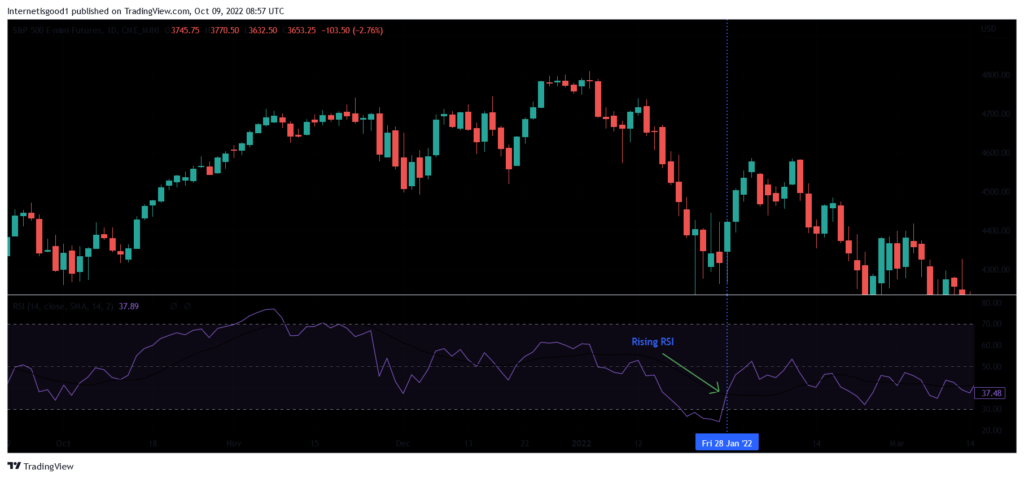
The chart above is a D1 chart of the S&P 500 Emini futures. On Friday, January 27, 2022, the RSI rose from the oversold region (below 30), indicating a rising momentum on the daily timeframe. On that day, when you step down to the 4-hourly timeframe, you would have the chart below: Notice how the RSI is also rising on the 4-hourly timeframe, having risen above the 30 level the day before.
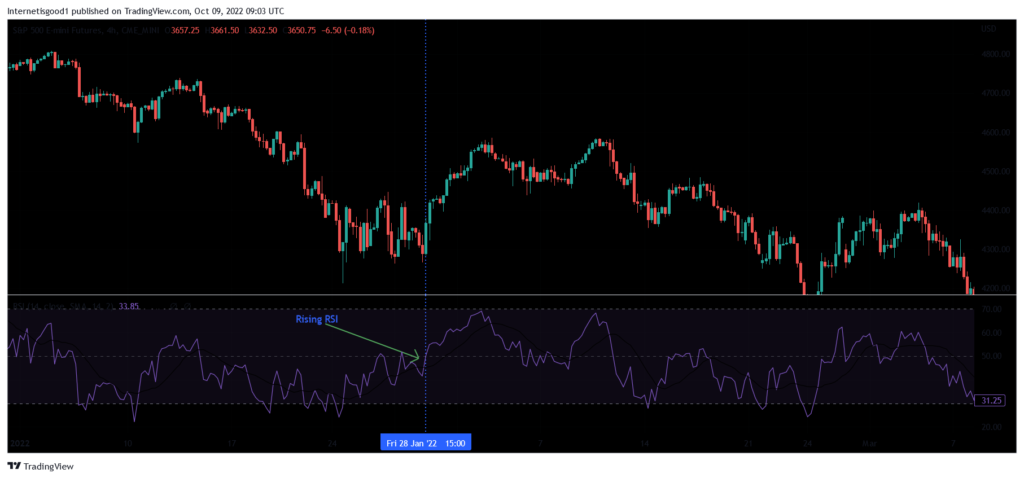
This tells us that the momentum is rising on both the daily and 4-hourly timeframes, so we can take a position at the close of the H4 price bar. The more timeframes that align, usually the stronger the move. The chart below shows how the trade would have played out. We would have placed our profit target below the next local resistance level which would have been hit on Wednesday, February 02, 2022 — a simple and profitable swing trade, lasting only four days.
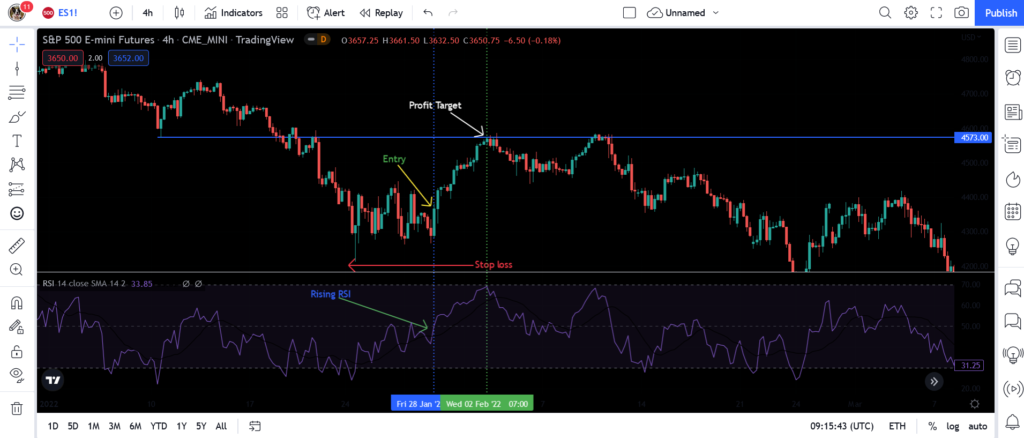
Multi-timeframe analysis can significantly improve win rates, with reported success rates of 60-75% compared to 45% for single-timeframe analysis. Enhanced precision and better reward-to-risk ratios are achieved by using lower timeframes for entries after identifying trends on higher timeframes. Validating trading signals across multiple timeframes also reduces the likelihood of acting on false signals and helps traders make more informed decisions.
Multiple timeframe strategy backtest – does it work?
Let’s go on to make a backtest of a multiple timeframe strategy with strict trading rules and settings. We won’t make it exactly as explained above, though.
In this backtest, the analysis is performed on the same asset (ETF XLP) across multiple timeframes to capture different market movements and gain a comprehensive view of price action.
We make the following trading rules for our backtest:
- We use a long-term trend filter: The close must be higher than the close 250 days ago.
- We use an intermediate trend filter: The close must be higher than the close 22 days ago.
- We use a short-term pullback: The close today must be a three-day low (of the close).
- If 1, 2, and 3 are true, then go long at the close.
- We sell at the close when the close is higher than yesterday’s close.
If we backtest those five trading rules on the ETF XLP, which tracks consumer staples and is a fantastic trading vehicle, we get the following equity curve:
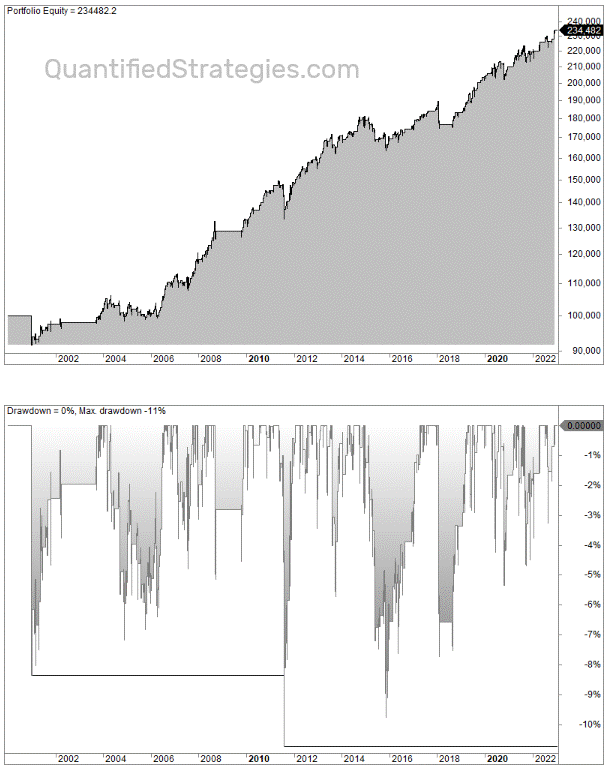
The trading statistics and performance metrics read like this:
- Number of trades: 316
- Average gain per trade: 0.28%
- Win rate: 73%
- Max drawdown: -10%
- Profit factor: 2
Note: This multi-timeframe strategy requires significantly more time to analyze and monitor multiple charts of the same asset simultaneously. It can also increase psychological stress due to handling contradictory information from different timeframes.
It works reasonably well, albeit the average per trade is perhaps a tad too low (?).
FAQ:
How to analyse multiple time frames?
To master multi-timeframe analysis, use a top-down approach across different chart horizons. Start with higher timeframes (Daily/Weekly) to identify the primary trend and market direction. Move to a middle timeframe (4-hour) to find setups, then use lower timeframes (15-minute) to fine-tune entries and exits. This strategy reduces false signals, aligns price action, and improves risk management for more disciplined stock trading.
What is multi-frame analysis?
Multi-timeframe analysis is a strategic trading method involving the study of a single asset across multiple chart periods. By using a top-down approach, traders analyze higher timeframes to identify the primary trend and market direction, while utilizing lower timeframes to refine entry points and timing. This technique improves decision-making, reduces false signals, and ensures trades align with the broader market structure for better risk management.
Is multi-timeframe analysis good for day trading?
Multi-timeframe analysis can be essential for day trading success. By aligning short-term execution (1-minute charts) with long-term trends (hourly or daily), traders identify high-probability setups. This top-down approach confirms market structure, filters out volatility noise, and pinpoints precise entry and exit points. Utilizing technical indicators across various intervals improves risk management and increases the win rate by ensuring trades follow the prevailing momentum.
How does multi-timeframe analysis work?
Traders use a top-down approach, starting with higher timeframes to gauge long-term trends and then narrowing down to smaller timeframes for precise entry points. Aligning trend direction across multiple timeframes enhances trading accuracy by confirming signals and improving the precision of trade entries and exits. This strategy is especially valuable for short-term traders but can benefit traders with different time horizons.
Why is multi-timeframe analysis important for short-term traders?
Short-term traders, such as scalpers and day traders, benefit from multiple timeframe analysis as it provides a broader view of market structure, identifies key support and resistance levels, and helps spot trend reversals and patterns for more accurate trading decisions.
How do traders choose the right timeframes for analysis?
Traders often use a ratio of 1:4 or 1:6 when selecting timeframes. For example, a swing trader may analyze daily, 4-hourly, and hourly timeframes. The daily chart provides a broad view, the 4-hour chart spots opportunities, and the hourly chart identifies optimal entry points. Using two or three aligned timeframes balances trading accuracy with the need for sufficient trade opportunities.
Can signals from different timeframes conflict?
Yes, conflicting signals can occur when a higher timeframe shows a ‘Buy’ trend while a lower timeframe indicates a ‘Sell’ signal. When multiple timeframes align in trend direction, trades feel less random and increase conviction without increasing risk.